
In Focus
We help individuals and businesses assess suspected fraud, organize evidence, and address disputes over lost funds. If your case involves cross-border transactions, a fake investment, or a phone or online scam, we review the facts and evidence to explain the legal risks and the options available to you.
“When I noticed unusual activity, I gathered my transaction records and sought legal advice.
The team reviewed what had happened and explained the steps I could take next.”
Anonymous client feedback
Acting quickly can improve the chances of tracing funds involved in a scam.
 High risk
Fraudulent crypto exchanges and investment platforms can move funds through multiple wallets, making it difficult to identify the recipients or trace the money.
 High risk
Fraudsters use fake projects or platforms to promise high returns. They may then block withdrawals or demand more money before releasing funds.
 Moderate risk
Scammers build trust, often through social media, before asking for money. The relationship may develop over weeks or months, making the fraud harder to spot.
 Lower risk
Fake listings and checkout pages trick shoppers into paying for goods. Common warning signs include unfamiliar sellers and prices that seem too good to be true.
 Moderate risk
Scammers use spoofed websites and messages to steal personal information, take over accounts, or make unauthorized transactions.
 High risk
When funds move across borders, different legal systems and institutions may be involved. These cases often require coordination across jurisdictions.
After a scam, you may be dealing with scattered evidence, conflicting information, and uncertainty about what to do next. Putting the facts and records in order early can clarify what happened and prepare you for the next step.
We help with case assessment, digital evidence, transaction records, and legal strategy. We review your circumstances and explain the available options and their risks.
Identify the facts and key issues in your case
Review the evidence and prepare supporting records
Coordinate with relevant specialists as the case requires

Legal assessment and transaction tracing for common types of fraud.

We review blockchain records involving assets such as Bitcoin and Ethereum to trace transactions and support potential recovery efforts.

We examine suspected investment platforms and trading schemes, review how funds moved, and explain your legal options.

If a scam or unauthorized transfer affected your bank account, we can help trace the payment and advise on how to proceed.

If someone used a personal relationship to persuade you to send money, we can review identity information, trace payments, and help you prepare for the next step.
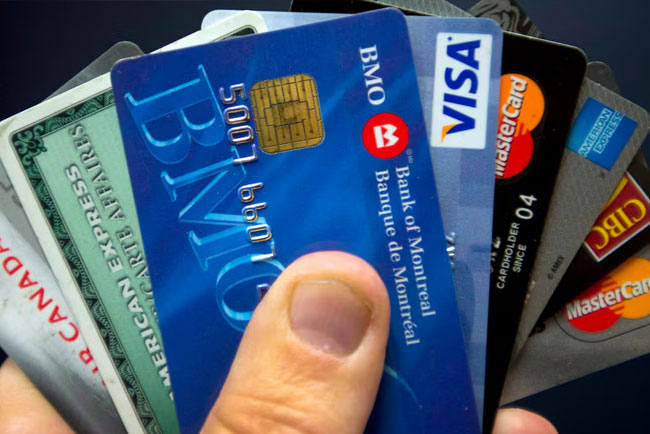
We help document unauthorized card charges and suspicious transactions and support communications with financial institutions.
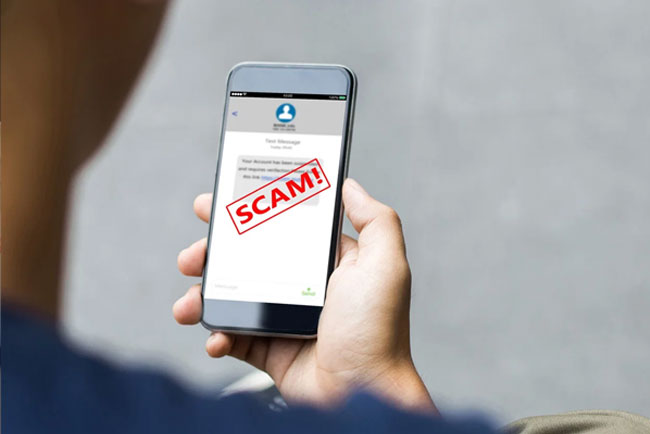
We assess fake jobs and online tasks that promise commissions or rewards, examine where the money went, and explain what you can do next.
We review the circumstances of your case and work through the evidence, transactions, and legal options in stages.

We gather the key facts and transaction details to assess the case and identify possible next steps.
We review account and transaction records to reconstruct the flow of funds and identify key points along the way.
We organize the evidence and use our findings to outline a legal strategy for the case.
We follow developments and assist with legal procedures and communications as the case progresses.
In complex fraud cases, funds often pass through several accounts or jurisdictions. We combine transaction analysis and legal assessment to reconstruct what happened and identify ways to proceed.
We work with cases involving digital assets, bank transfers, and other forms of online fraud. We review each case in stages and follow up as it develops.


We review transaction and account records to reconstruct the money trail and inform the next steps in your case.

We help coordinate communications and procedures in cases involving more than one jurisdiction.

We track each stage of the case and keep its records organized.
Selected examples based on client experiences. Identifying details have been removed.
A client could no longer withdraw funds from an online investment platform. A review of the transaction records helped identify the next steps.

After a client reported unusual activity on a digital asset platform, blockchain records helped trace the funds and inform the next steps.

A client noticed suspicious activity after sending money to someone they trusted. Reviewing the transfers and organizing the records helped move the case forward.

After an unusual transfer, a review of where the money went helped the client decide how to contact the parties involved and proceed.

A client found purchases they had not made. The transaction records and supporting documents were used to prepare the dispute and follow up.

A client lost money while completing tasks online. Tracing the payments and reviewing the records helped clarify the available options.

Recent coverage of emerging fraud tactics, legal developments, and ways to protect your rights.
In Focus

In Focus

In Focus

In Focus

In Focus

In Focus